News

How to Choose the Right Candle Holder for Style, Safety, and Value?

2025-12-29 0 Leave me a message

Abstract

A Candle Holder can be a tiny detail that quietly upgrades a room—or a frustrating product that wobbles, traps wax, or feels “cheap” the moment you unbox it. This guide breaks down what actually matters when you’re choosing candle holders for home use, restaurants, weddings, retail shelves, or bulk purchasing. You’ll learn how to match holder types to candle sizes, spot stability and heat-safety issues before they become problems, compare materials (glass, metal, ceramic, wood, stone-like finishes), and build a consistent look across modern, classic, rustic, and seasonal collections. You’ll also get care tips, packaging considerations, and a simple checklist to reduce returns and complaints.


Contents


Outline

  1. Define the job: mood lighting, centerpiece, safety containment, or brand display
  2. Choose the right holder format for the candle size (tea light, taper, pillar, jar)
  3. Pick a material that fits your environment (heat, cleaning, durability, shipping)
  4. Verify stability and heat-safe design (especially for public spaces)
  5. Style by grouping, scale, and finish—then keep maintenance simple
  6. For bulk orders: packaging, consistency, and customization become the “hidden” deciding factors

The real pain points buyers run into

Pain point 1: “It looks nice online, but feels flimsy in hand.”
Visuals can hide thin glass, sharp edges, uneven bases, or lightweight metal that tips easily. Good candle holders should feel balanced and finished—especially at the base.

Pain point 2: “Wax cleanup is a nightmare.”
The wrong shape traps wax in corners, textured surfaces, or tiny crevices. If you light candles often, prioritize smooth interior surfaces, removable inserts, or easy-wipe materials.

Pain point 3: “It’s not stable, and I don’t trust it.”
Wobble is a deal-breaker in homes with pets, in restaurants with table traffic, or at events where guests brush past centerpieces. Stability is not optional—it’s the baseline.

Pain point 4: “It doesn’t match the rest of the decor.”
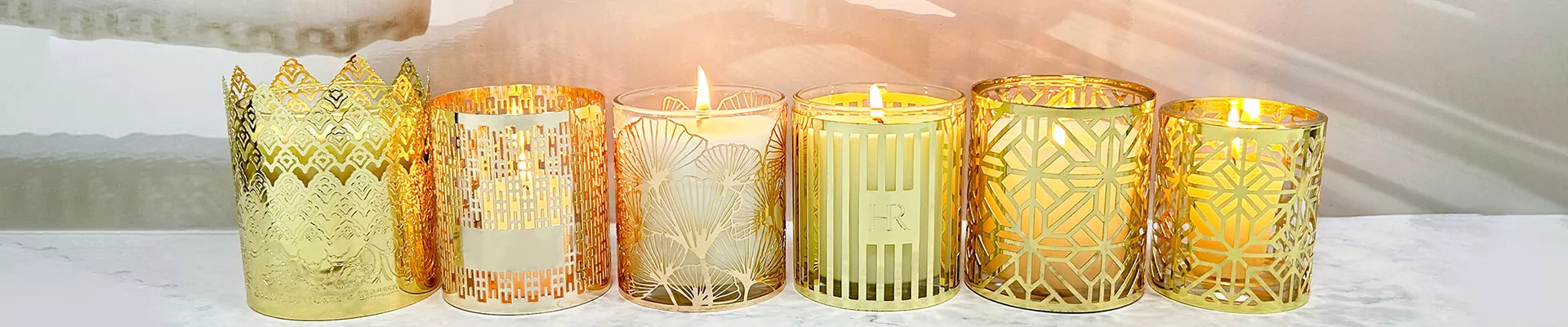
Candlelight is romantic; random styling is not. The easiest way to avoid a mismatched look is to choose a consistent finish family (warm brass, matte black, clear glass, cream ceramic) and vary only height/shape.

If you remember only one thing: a Candle Holder is not just decoration. It’s a tool that manages heat, flame position, melted wax, and stability— while also selling a “mood.” When you evaluate it like both a tool and a design piece, you buy smarter and regret less.


Match the holder to the candle type

Candle Holder

  • Tea lights: Look for a snug cup or a glass enclosure that reduces drafts. Deeper walls help control flicker and keep the flame visually calm.
  • Votives: Choose holders designed for wax pooling. A slightly wider inner diameter reduces sticking and makes cleanup easier.
  • Tapers: Prioritize a tight fit at the socket and a wide, weighted base. If your tapers vary, consider holders with subtle adaptors or a design that tolerates small size differences.
  • Pillars: Pick a drip plate or a tray-style base. The wider the pillar, the more you need a “landing zone” for wax.
  • Jar candles: A holder becomes more about elevating the jar, protecting surfaces, and styling. Heat resistance and a flat, steady platform matter most.

Quick reality check: If you’re buying for restaurants, hotels, weddings, or retail resale, don’t assume “one size fits all.” Standardize candle dimensions first, then select holders that fit those dimensions consistently. That one decision prevents a shocking amount of wobble, returns, and last-minute event panic.


Materials compared in a practical table

Material What it does well Watch-outs Best for Cleaning & care
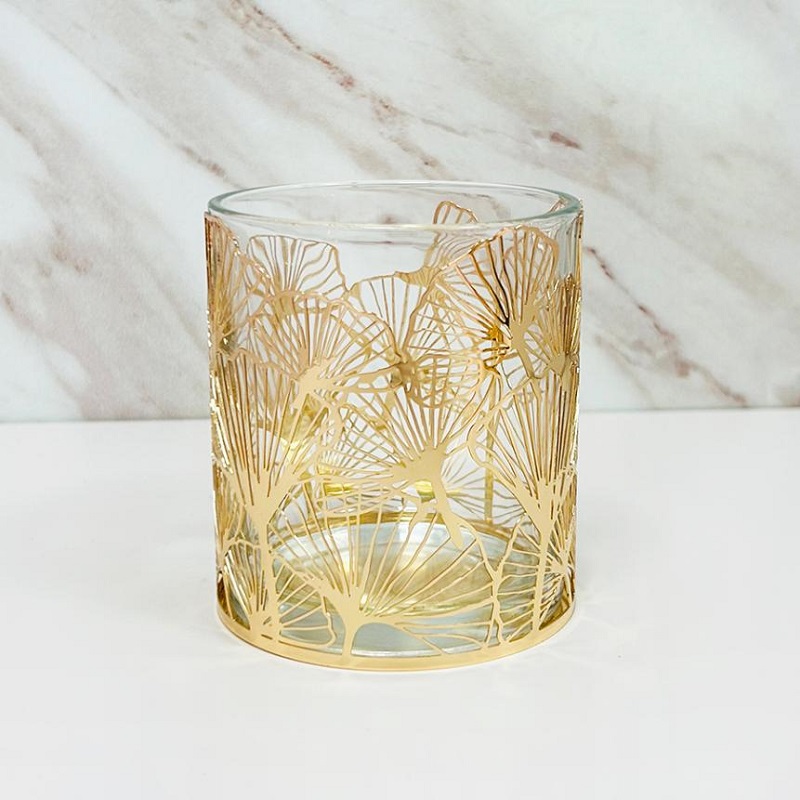
Glass Beautiful light diffusion, modern or classic look, easy to wipe clean, works well with tea lights and votives Breakage in shipping if packaging is weak; fingerprints can show on glossy surfaces Dining tables, weddings, seasonal displays, retail gift sets Warm soapy water; avoid sudden temperature changes
Metal Strong, stable, great for tapers and statement pieces, can look minimal or vintage depending on finish Thin metal can warp from heat; some finishes scratch if abrasive cleaners are used Restaurants, everyday home use, modern interiors, bulk projects Soft cloth wipe; mild cleaner; protect finishes from harsh chemicals
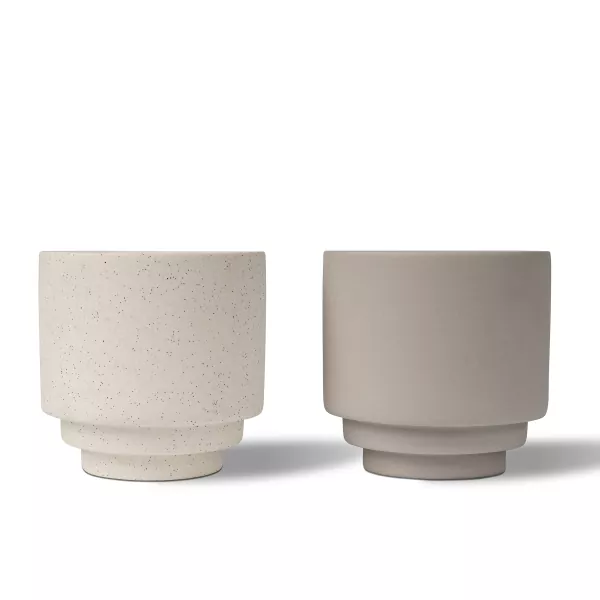
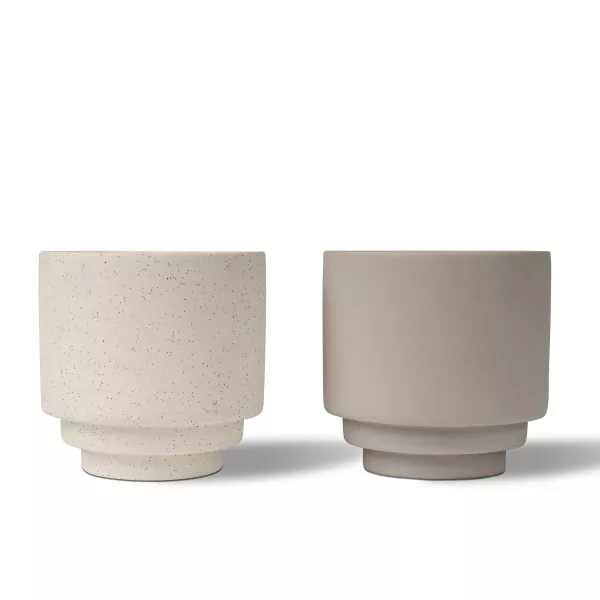
Ceramic Warm, handmade feel; excellent for matte, neutral aesthetics; good weight for stability Chipping risk on edges; glazed surfaces may show micro-scratches over time Home decor, boutique collections, rustic/modern mix styling Gentle wash; avoid dropping; store with padding if stacked
Wood Cozy, natural look; pairs well with farmhouse, Scandinavian, and earthy styling Must be designed to keep flame and heat away from wood; wax can seep into grain if unprotected Decorative styling with inserts, low-flame use, seasonal sets Wipe gently; consider protective inserts; avoid soaking
Stone-like or composite Premium “weight” feel, great stability, elevated minimal look Can be heavy for shipping; porous textures may hold wax if not sealed Luxury styling, hospitality lobbies, statement shelves Soft brush for texture; spot-clean wax carefully

Material is not just about appearance. It’s about how you live (or how your customers live). If you need fast turnover and easy cleaning—think restaurants, event venues, or high-traffic homes—smooth glass and sturdy metal often win. If you’re building a cozy collection with a handmade vibe, ceramic and wood-like textures create warmth instantly, but you’ll want designs that make wax management simple.


Stability and heat checklist you can use in 60 seconds

This is the part people skip… right until something drips, tips, or scorches. Use this checklist before you buy (or before you reorder in bulk).

  • Base width: Is the base wide enough that a casual bump won’t tip it?
  • Weight balance: Does it feel bottom-heavy (good) rather than top-heavy (risky)?
  • Flat contact: Does it sit flush on a table without rocking?
  • Flame position: Is the flame centered and away from decorative edges?
  • Heat path: Is there a barrier (cup, insert, plate) that keeps heat from directly hitting surfaces?
  • Wax control: Is there room for dripping wax or a dish to catch it (especially for tapers/pillars)?
  • Draft protection: For tea lights/votives, do the walls reduce flicker in breezy rooms?
  • Edge finish: Are rims smooth and safe to handle (important for hospitality settings)?
  • Cleaning reality: Can you remove wax without tools and without scratching the surface?
  • Placement logic: Will it live near curtains, books, florals, or foot traffic? Choose containment accordingly.

If you’re buying for public spaces, this checklist becomes even more important: stability, containment, and easy maintenance are what keep candlelight practical instead of stressful. A Candle Holder should make candle use calmer—not add another thing to worry about.


How to style candlelight so it looks curated, not cluttered

Here’s the trick: people think “matching” means identical pieces. It doesn’t. Curated styling usually means one consistent element (finish, color family, or silhouette), plus intentional variation (height, grouping, spacing).

Three easy styling formulas:

  • The 3-height cluster: Choose three holders in the same finish, in short/medium/tall heights. Instant centerpiece.
  • The glass-and-metal mix: Pair clear glass with a single metal tone (matte black or warm brass). Modern, clean, never too busy.
  • The seasonal swap: Keep a neutral base set (black, clear, cream). Add one seasonal accent piece (amber glass, textured ceramic) and rotate it.

Avoid the “random aisle” look: If every piece has a different finish, different rim shape, and different visual weight, the candlelight won’t feel relaxing—it’ll feel noisy. Pick a lane, then accessorize within it.

For photography, merchandising, or listings: candle holders look best when you show scale. Include a hand, a standard dinner plate, or a simple measurement note. Many returns happen because buyers expected “tall and dramatic” but received “cute and compact.”


Hospitality, events, and retail buying tips

If you manage a venue or shop, your needs are different: you need consistent quality, easy cleaning, and reliable restocking. Style matters, but operations matter more.

  • Standardize candle sizes: Decide your candle dimensions first, then buy holders that fit those exact specs.
  • Plan for cleanup time: If staff must scrape wax for 10 minutes per table, you will stop using candles. Choose easy-wipe designs.
  • Choose finishes that hide fingerprints: Matte and textured surfaces can be more forgiving than mirror-polished ones.
  • Reduce breakage: Ask for protective packaging and test shipping before you commit to a large order.
  • Think in sets: Retail customers buy “stories.” Offer coordinated groups (for example: taper + votive + tray in one finish family).

One practical approach: build a “core collection” (your always-available bestsellers) and a “limited seasonal rotation.” The core collection keeps inventory stable; the rotation keeps customers curious.


Care and maintenance that keeps them looking new

A great Candle Holder should age gracefully, but you can help it with simple habits. Here are the methods people actually use—no complicated routines needed.

  • To remove wax safely: Let wax cool fully, then gently pop it out. For stubborn wax, use a brief warm-water soak (if the material allows) and wipe with a soft cloth.
  • Prevent wax mess: Use dripless tapers when possible; trim wicks to reduce heavy dripping and soot.
  • Avoid scratches: Skip abrasive sponges on glass, glazed ceramic, and plated metal finishes.
  • Storage tip: If you store seasonal pieces, wrap them so rims and bases don’t knock together.
  • For textured surfaces: A soft brush can lift residue from grooves more gently than scraping.

The goal is simple: candlelight should feel relaxing. If care becomes annoying, you’ll stop lighting candles. Choosing an easy-to-maintain holder is part of choosing a holder you’ll actually use.


Sourcing and customization notes

Candle Holder

When you’re buying beyond a single piece—especially for retail, hospitality, or gifting—consistency becomes the deciding factor. You’re not only choosing a design; you’re choosing how reliably that design repeats across batches.

BYF Arts&Crafts Co., Ltd. offers various styles of candle holders that can support different aesthetics—from clean modern lines to warm, decorative silhouettes. If you’re building a collection, ask for coordinated families (shared finish and design language) so your assortment looks intentional on shelves and in styled rooms.

What to confirm before bulk orders Why it matters A simple question to ask your supplier
Color/finish consistency Prevents “same product, different tone” complaints Can you share batch-to-batch tolerance details or finish control steps?
Packaging protection Reduces breakage, returns, and re-ship costs What internal protection is used for glass/ceramic edges and bases?
Dimensional stability Ensures candles fit the same way every time What are the key measurements and their acceptable variance?
Cleaning practicality Determines whether customers keep using it Is the inner surface smooth enough for easy wax removal?
Set planning Increases perceived value and improves conversion Can we build a matching set across taper, votive, and tray formats?

If you’re ordering for a brand or a seasonal campaign, customization can be as simple as selecting a signature finish, choosing a consistent silhouette family, or bundling holders into ready-to-gift sets. The “best” option is the one that matches your customers’ real life: easy to use, safe, stable, and good-looking day after day.


FAQ

Q: What’s the biggest mistake people make when buying a Candle Holder?
A: Choosing purely by appearance and ignoring stability and candle fit. If it wobbles or the candle sits loose, it becomes a stress item instead of a mood item.

Q: Is glass or metal better for daily use?
A: Both can work. Glass is easy to wipe and looks clean; metal is often more impact-resistant and stable. The best daily-use choice is the one that cleans quickly and feels sturdy on your surfaces.

Q: How do I reduce dripping with taper candles?
A: Use higher-quality tapers when possible, keep wicks trimmed, and choose holders with drip plates or wider bases designed to catch wax.

Q: What should restaurants or venues prioritize?
A: Containment, stability, and easy cleaning. Draft protection is also important in busy dining rooms where airflow can increase flicker.

Q: How can a retailer create a cohesive collection without repeating the same item?
A: Keep one consistent element (finish or color family) and vary heights and shapes. Sets that look coordinated tend to sell faster because customers can picture them at home.

Q: What’s the safest way to remove wax?
A: Let wax fully cool and harden, then gently lift it away. Avoid scraping with sharp tools that can damage finishes. If the material allows, a brief warm-water method helps soften residue for wiping.


Closing thoughts

The right Candle Holder makes candlelight feel effortless: stable on the table, easy to clean, and visually consistent with your space or brand. If you’re choosing for a home, you want comfort and style. If you’re choosing for business, you want reliability, repeatability, and fewer headaches. Either way, the best candle holder is the one that turns “I should light a candle” into “I actually want to light it tonight.”

If you’re building a curated assortment or need a reliable supply of candle holders in different styles, reach out to BYF Arts&Crafts Co., Ltd. to discuss options, matching sets, and order planning—contact us to get a tailored recommendation for your space or product line.

Related News
Leave me a message
X
We use cookies to offer you a better browsing experience, analyze site traffic and personalize content. By using this site, you agree to our use of cookies. Privacy Policy
Reject Accept