News

A fusion of history, craftsmanship and aesthetics

2025-08-27

Throughout human civilization, lighting has always held a crucial position. From primitive campfires to oil lamps and finally the advent of candles, each evolution in lighting has witnessed the progress of human society. Ceramic candlesticks, as containers for candles, not only serve practical functions but also, with their unique materials, exquisite craftsmanship, and rich cultural connotations, exemplify the perfect fusion of art and life.


I. The History of Ceramic Candlesticks


The origins of ceramic candlesticks can be traced back thousands of years. As early as the Spring and Autumn Period, candlesticks appeared in people's lives, though they were primarily made of metals such as bronze rather than ceramic. With the advancement of porcelain craftsmanship during the Three Kingdoms and Jin Dynasties, porcelain candlesticks gradually gained prominence, replacing traditional pottery, iron, and bronze candlesticks and entering the public eye. The candlesticks of this period exhibited a wide variety of shapes, including vivid and interesting animal figures such as sheep and lions. For example, a Southern Dynasties celadon lion-shaped candlestick unearthed in 1955 at Fenghuangling outside the west gate of Fuzhou measures 8 cm high, 2.2 cm in diameter, 12.5 cm long, and 6 cm wide. Covered entirely with a lustrous green glaze, it resembles a lion, with an elevated head, wide-open eyes, a toothy mouth, and a beard under its chin. Its body is crouched, with a mane draped across its neck and back. Wings are carved on either side of its abdomen, and its four legs are bent beneath its belly. Its tail is shaped like a banana leaf. A cylindrical tube for candles is carved on its back, connecting to its abdomen. This candlestick is vividly shaped and lifelike, a masterpiece that combines artistry and practicality.


During the Southern Dynasties, candlestick designs became more complex. Some bases were shaped like inverted lotus pods, covered with lotus ornaments and topped with a horizontal partition containing four bamboo-shaped cups of equal size, allowing for the insertion of multiple candles. During the Sui and Tang Dynasties, the carvings on candlestick bases became even more elaborate. During the Ming and Qing dynasties, with the rise in popularity of white wax candles, high-fiber candlesticks emerged. Ceramic candlesticks from different historical periods not only reflect the level of porcelain craftsmanship at the time but are also closely linked to the social culture and lifestyle of the time.


II. Ceramic Candlestick Production Process


(I) Material Selection


The first step in making ceramic candlesticks is choosing the right clay. Common clays include pottery clay and porcelain clay. Different clays have different properties, which affect the texture and appearance of the final product. For example, candlesticks made from porcelain clay have a delicate texture and a pure white color, while candlesticks made from pottery clay have a more rustic feel. High-quality clay undergoes screening and washing to remove impurities and ensure its purity and plasticity.


(II) Shaping


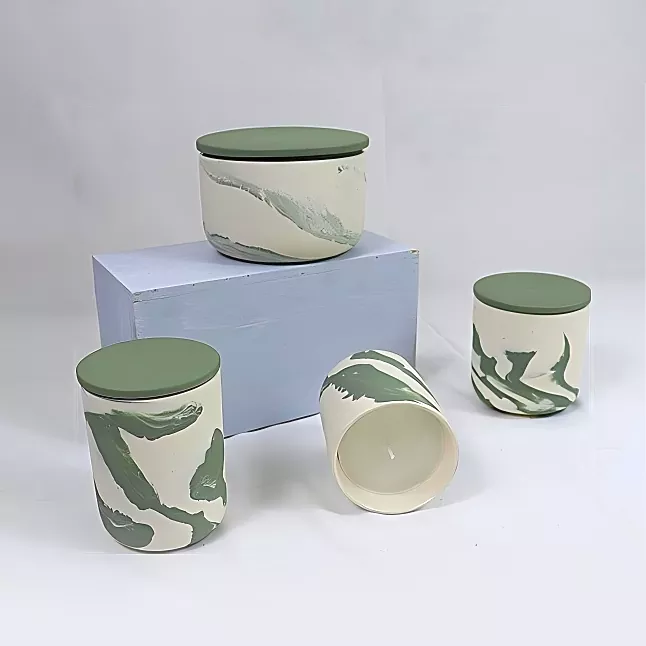
Shaping is a key step in giving ceramic candlesticks their form. Ceramists typically use methods such as hand-molding, wheel throwing, and slip casting. Hand-molding is suitable for creating candlesticks with complex and creative shapes. Ceramists use their exquisite skills and unique understanding of form to shape clay into a variety of shapes, such as animals, flowers, and geometric figures. Throwing involves using the rotation of a potter's wheel and the coordination of hands to pull clay into a round shape. This method is often used to create the more regular main body of a candlestick. Slip casting involves pouring clay into a mold and removing it after it solidifies. This method is suitable for mass production of candlesticks with fixed shapes. For example, to create a simple cylindrical ceramic candlestick, the potter would first place the kneaded clay on the center of the potter's wheel. After turning the wheel, the potter dips his hands in water and gently grips the clay. As the wheel rotates, he gradually pulls the clay upward to form a cylindrical shape, adjusting the height and diameter as needed.


(III) Decoration


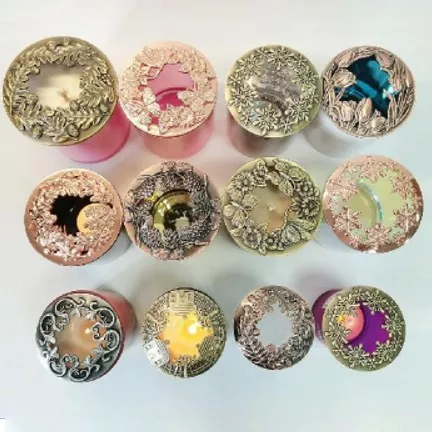
Decoration is an important element in enhancing the artistic value of ceramic candlesticks. Various decorative techniques exist, including engraving, printing, painting, and sculpture. Engraving involves carving various patterns and lines onto the surface of the blank with a knife. The lines are strong and three-dimensional. Printing involves imprinting a pattern onto the blank using a mold. The pattern is clear and regular, making it suitable for mass production. Painting involves applying a variety of vibrant patterns to a base using pigments. Common examples include blue and white porcelain, pastel-colored porcelain, and enamel-colored porcelain. For example, enamel-colored porcelain candlesticks from the Qing Dynasty were made from porcelain fired in Jingdezhen. Early pigments were imported from abroad, meticulously painted by court painters, and then fired. The vibrant, delicate colors hold immense artistic value. Sculpture involves creating three-dimensional figures, such as people or animals, on the base, making the candlestick even more visually appealing. For example, a ceramic candlestick shaped like an orchid uses sculptural techniques to vividly depict details like its petals and stamens, with delicate and intricate lines that exude elegance.


(IV) Firing


Firing is the key process in giving a ceramic candlestick its final form. It typically involves two stages: bisque firing and glaze firing. bisque firing involves placing the shaped base into a kiln and firing it at high temperatures to initially harden the base and strengthen it for subsequent decoration and glazing. Glaze firing involves placing the decorated and glazed body back into the kiln for firing. The glaze melts at high temperatures, bonding tightly to the body and creating a smooth, lustrous surface with a variety of colors and lusters. Factors such as temperature and atmosphere during the firing process crucially impact the quality and effect of ceramic candlesticks, requiring rigorous control by experienced kiln workers. Ceramic candlesticks fired in different kilns (such as wood-fired, gas-fired, and electric-fired) will each exhibit distinct characteristics. Wood-fired candlesticks often bear a unique fire mark and a distinct charm.


III. The Artistic Style and Cultural Connotations of Ceramic Candlesticks


(I) Artistic Style


Ceramic candlesticks have a rich and diverse artistic style, each uniquely shaped by different regions, eras, and cultural backgrounds. In the West, Baroque and Rococo styles exude luxury and sophistication. Their ornate shapes and intricate decoration often incorporate numerous curves, scrolls, and carvings, reflecting the refined tastes of the nobility. For example, Dolce&Gabbana's medium-sized ceramic candlesticks feature intricate decorative patterns inspired by Carretto Siciliano's Sicilian carriage scarf prints. Incorporating folk cultural elements, they celebrate Sicily's traditions, art, scenery, and unique colors, embodying a rich sense of regional charm. Modern minimalist ceramic candlesticks, on the other hand, pursue clean lines and pure colors, balancing practicality with aesthetics. Their simplicity and beauty satisfy modern people's pursuit of a quality of life. In the East, Chinese ceramic candlesticks have a profound cultural heritage, with distinct styles emerging from different dynasties. Tang Dynasty ceramic candlesticks boasted full and imposing shapes and vibrant colors. The Song Dynasty, on the other hand, embraced a minimalist and natural aesthetic, with simple shapes and elegant glazes embodying the aesthetic of "a lotus emerging from clear water, naturally free of embellishment." During the Ming and Qing dynasties, ceramic candlesticks became more delicate and exquisitely decorated, reflecting the exquisite craftsmanship. Japanese ceramic candlesticks often evoke a Zen-like quality, emphasizing the inherent texture and natural grain of the material, fostering a tranquil and rustic atmosphere. (II) Cultural Connotations

Ceramic candlesticks are rich in cultural connotations. In ancient times, candles themselves symbolized brightness and hope, and the candlesticks that held them were imbued with even more cultural significance. For example, in traditional Chinese culture, certain animal-shaped candlesticks hold special meanings. Sheep-shaped candlesticks, whose pronunciations are similar to the Chinese character for "yang" (sheep) and the Chinese character for "auspicious," represent auspiciousness, reflecting the people's aspirations to ward off evil and dispel disasters, and to overcome misfortune and turn them into good fortune. In Buddhist culture, the lion is a sacred animal endowed with divine power, symbolizing protection and protection, making lion-shaped candlesticks popular. In Western culture, candlesticks are often associated with religious rituals. In places like churches, exquisite ceramic candlesticks are used to hold candles, creating a solemn and sacred atmosphere and symbolizing brightness and faith. Furthermore, ceramic candlesticks have become a medium for expressing affection and conveying blessings. Giving ceramic candlesticks on special holidays and occasions symbolizes the gift of brightness and warmth.


IV. The Application and Value of Ceramic Candlesticks in Modern Life


(I) Home Decoration


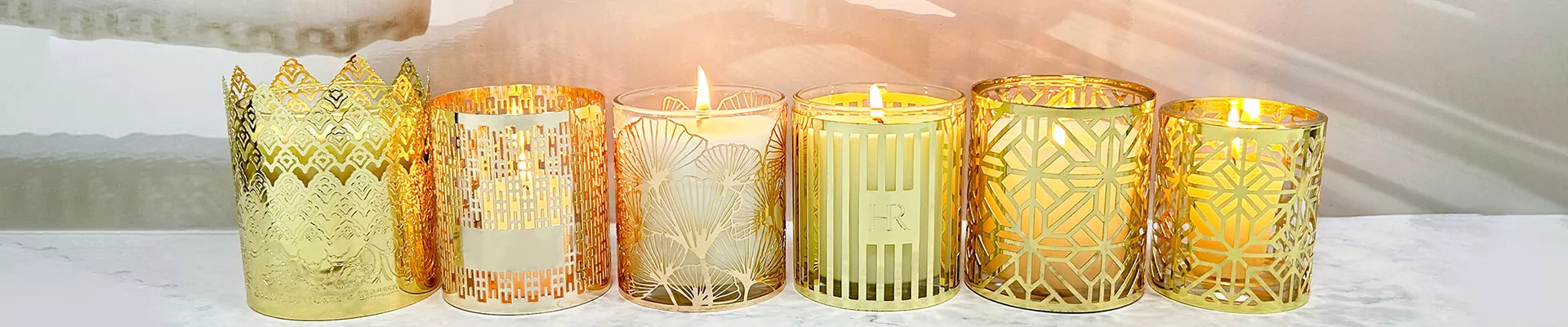
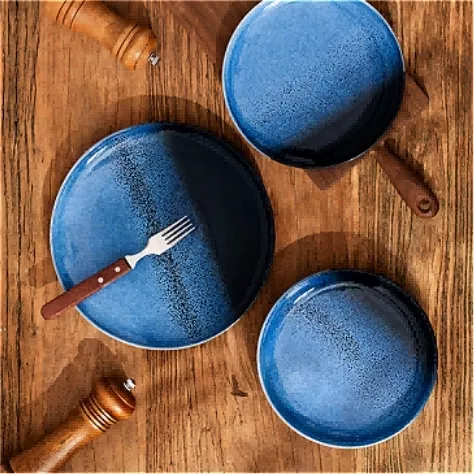
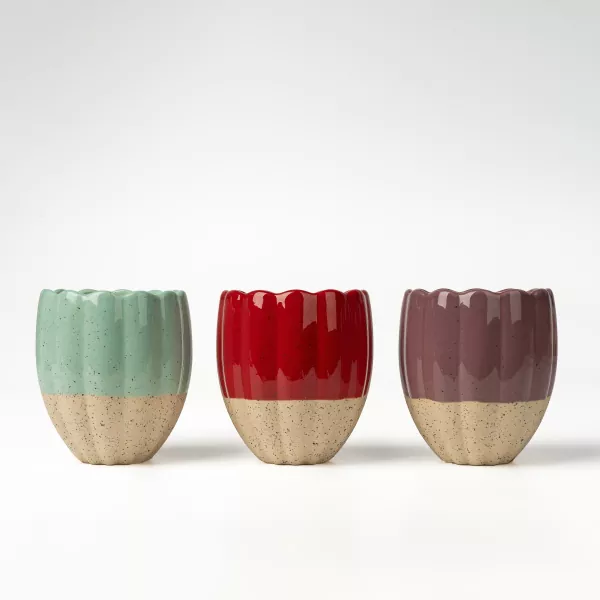
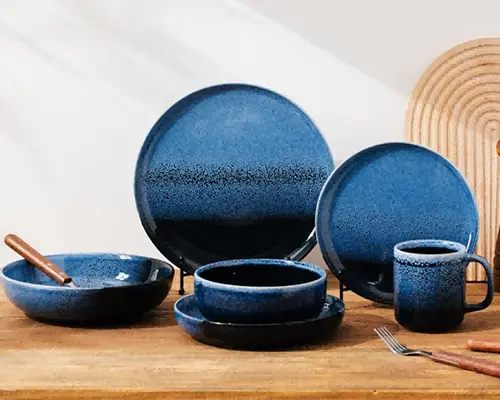
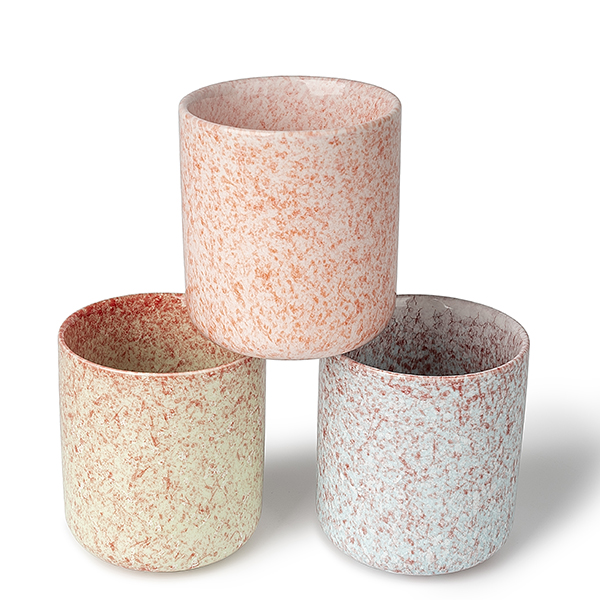
In modern homes, ceramic candlesticks have become a crucial decorative element. They not only serve as a lighting tool but also add a unique atmosphere and style to any home. In the living room, a uniquely shaped ceramic candlestick placed on the coffee table, with its flickering candlelight, creates a warm and romantic atmosphere, adding a gentle touch to conversations between family and friends. In the bedroom, the soft candlelight promotes relaxation and sleep, and the presence of ceramic candlesticks adds a sense of tranquility and comfort. In the dining room, paired with exquisite tableware, ceramic candlesticks enhance the ritual of dining, making every meal a delight. Ceramic candlesticks of varying styles blend seamlessly with any home decor, from European classics to elegant Chinese styles to modern minimalism. They can be found to complement any space, creating a striking accent.


(II) Collectible Value


Due to their unique artistic, historical, and cultural value, many exquisite ceramic candlesticks have become sought-after collectors. Ancient ceramic candlesticks, exquisitely crafted and well-preserved, are known for their age and remarkably high prices at auction. For example, a Song Dynasty porcelain candlestick, with its unique shape, precious glaze, and rarity, often attracts the attention of numerous collectors. Limited-edition ceramic candlesticks created by renowned contemporary ceramic artists also possess significant collector potential due to their unique creativity and exquisite craftsmanship. Collecting ceramic candlesticks is not only a way to cherish works of art but also a way to preserve and protect historical culture.


(III) Emotional Relationship and Handcrafted Experience


The process of making a ceramic candlestick is also a journey of emotional connection and craftsmanship. More and more people are participating in ceramic crafts, creating their own personal ceramic candlesticks. This process allows people to unleash their creativity and imagination, infusing their innermost feelings into their creations. From selecting the clay, shaping, decorating, to firing, every step is filled with both joy and challenge. Finally, seeing your handcrafted candlestick radiate its unique charm under candlelight brings a profound sense of accomplishment and satisfaction. This handcrafted ceramic candlestick is more than just an object; it's a symbol of emotion, imbued with irreplaceable significance.


A fusion of history, craftsmanship, and aesthetics, the ceramic candlestick, a masterpiece of art, has shone brightly through the ages. It bears witness to the development of human civilization, carries rich cultural heritage, and continues to play a vital role in modern life with its unique charm. Whether as an exquisite home decor piece, a valuable collectible work of art, or a place to express our emotions and creativity, the ceramic candlestick will continue to radiate its light and become an indispensable part of our lives.


Related News
X
We use cookies to offer you a better browsing experience, analyze site traffic and personalize content. By using this site, you agree to our use of cookies. Privacy Policy
Reject Accept