News

Art treasures that embellish life

2025-08-27

Throughout human history, vases, as utensils combining both practical and aesthetic value, have always held a unique position. They not only bear the beauty of flowers but also become a vivid medium for the interplay of art and life. Ceramic vases, among others, stand out for their profound historical heritage, exquisite craftsmanship, and unique artistic charm. Decorative vases, a broader concept encompassing vases of various materials and styles, add endless charm and style to our living spaces.


Ceramic Vases: A Crystallization of History and Craftsmanship


The history of ceramic vases dates back thousands of years. As the birthplace of ceramics, China saw the emergence of primitive pottery as early as the Neolithic Age. Although simple in shape and crude in craftsmanship, these vessels laid a solid foundation for the subsequent flourishing of ceramic art. Over time, pottery-making techniques evolved, evolving from initial hand-kneading to more advanced techniques such as wheel-kneading and molding. During the Shang and Zhou dynasties, primitive porcelain began to emerge, boasting a harder texture and a surface glaze that imparted a unique luster. During the Qin and Han dynasties, ceramic craftsmanship achieved significant advancements, with a growing variety of pottery. Ceramic vases also began to become prominent in people's lives. Vases of this period featured a simple, elegant design, with clean lines often defining the body. Common shapes included straight cylinders and bulging bellies, reflecting the contemporary people's pursuit of minimalist beauty. Decorative techniques, such as incising and stamping, imprinted geometric and animal motifs onto the vases, lending them a touch of rustic artistry.


The Tang Dynasty was one of the heydays of Chinese ceramic art, and ceramic vase craftsmanship reached new heights. Vases of this period boasted a rich and imposing form, incorporating elements of the then-popular Western culture and showcasing a uniquely exotic charm. For example, unique ceramic vases like the Phoenix-Headed Pot cleverly integrate the phoenix head with the pot body, resulting in elegant shapes and flowing lines that are both practical and exquisite works of art. Tang Dynasty ceramic vases employed a variety of decorative techniques, including painting, carving, and printing. Their vibrant colors and exquisite designs reflect the prosperity and openness of society at the time.


During the Song Dynasty, ceramic art reached a new peak, with the five renowned kilns (Ru, Guan, Ge, Jun, and Ding) becoming renowned. Song Dynasty ceramic vases embody a minimalist and natural aesthetic, their simple shapes and elegant glazes embodying the unique charm of "a lotus emerging from clear water, naturally free of embellishment." Ru kiln vases are renowned for their jade-like, azure glaze, pure in color and delicate in texture, seemingly imbued with endless poetry. Guan kiln vases, with their regular shapes and powerful lines, embody the majesty and solemnity of the imperial court. Ge kiln vases are renowned for their unique crackle texture, varying in size and density, creating a natural and beautiful effect like ice cracks, offering a unique visual experience. Jun kiln vases boast vibrant and diverse colors, renowned for their magical kiln-fired effect of "one color entering the kiln, a myriad of colors emerging." Each Jun kiln vase resembles a unique natural painting. Ding kiln vases are highly prized for their delicate white porcelain and exquisite carving.


During the Ming and Qing dynasties, the craftsmanship of ceramic vases became increasingly sophisticated, and decorative techniques became more diverse. Blue and white porcelain vases became a major trend during this period. Using cobalt as a pigment, intricate designs were painted on the porcelain base, then coated with a transparent glaze. After high-temperature firing, the resulting effect is a refreshing and elegant blue and white palette. The motifs encompass a wide range of subjects, including landscapes, figures, flowers and birds, and each vivid and lifelike image showcases the artist's exceptional artistry. In addition to blue and white porcelain vases, painted ceramic vases, such as famille rose and enamel, also flourished. Famille rose vases boast soft and delicate colors, using rendering techniques to create a sense of layering and three-dimensionality. Enamel vases, with their gorgeous colors, meticulous craftsmanship, and unique texture, became prized items among the imperial nobility. Early pigments were imported from abroad, meticulously painted by court painters, and then fired, resulting in exceptionally high artistic value.


Ceramic vase production is a complex and meticulous process, requiring multiple steps. First and foremost is the selection of materials. High-quality clay is the foundation of ceramic vases, with common types including pottery clay and porcelain clay forming the foundation. Vases made of clay have a rougher texture and a rustic feel, while vases made of porcelain clay have a finer texture and a purer white color, creating a more elegant appearance. After selecting the clay, it undergoes screening and washing to remove impurities and ensure its purity and plasticity.


Next comes shaping, a crucial step in giving the ceramic vase its form. Ceramists typically use methods such as hand-molding, throwing, and slip casting. Hand-molding is suitable for creating complex and creative vases. With their exquisite skills and unique understanding of form, ceramists shape the clay into various forms, such as animals, flowers, and geometric figures. Throwing, using the rotation of the potter's wheel and the coordinated movement of the hands, pulls the clay into a rounded shape. This method is often used to create more regular vase bodies. Slip casting involves pouring clay into a mold and removing it after it solidifies. This method is suitable for mass production of vases with fixed shapes.


Decoration is a crucial step in enhancing the artistic value of ceramic vases. Decorative techniques vary widely, including carving, printing, painting, and sculpture. Carving involves carving patterns and lines onto the surface of a vase using a knife. These lines are strong and powerful, creating a three-dimensional effect. Printing involves imprinting patterns onto the vase using a mold. The resulting patterns are clear and regular, making them suitable for mass production. Painting involves applying a variety of colorful designs onto the vase using pigments, with common examples including blue and white porcelain, pastel-colored porcelain, and enamel. Sculpture involves creating three-dimensional figures, such as figures or animals, on the vase, making it even more visually appealing.


Finally, firing is the key process in giving the ceramic vase its final shape. It typically involves two stages: bisque firing and glaze firing. bisque firing involves placing the shaped vase into a kiln and firing it at high temperatures to initially harden it and strengthen it for subsequent decoration and glazing. Glaze firing involves firing the decorated and glazed vase again in the kiln. The high temperature melts the glaze, allowing it to adhere tightly to the vase, creating a smooth, lustrous surface with a variety of colors and lusters. Factors such as temperature and atmosphere during the firing process have a crucial impact on the quality and effect of ceramic vases, requiring rigorous control by experienced kiln workers. Ceramic vases fired in different kilns (such as wood-fired, gas-fired, and electric kilns) will each exhibit distinct characteristics. Vases fired in wood-fired kilns often possess unique fire marks and a distinct charm.


Decorative vases: A fusion of diverse materials and styles


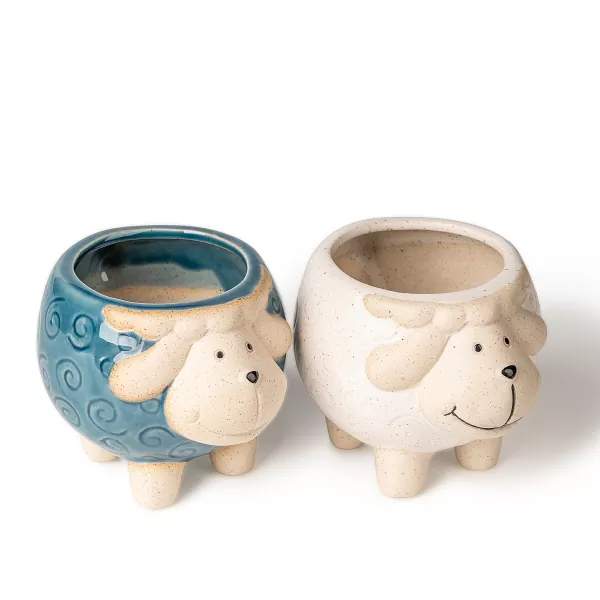
Decorative vases are a broader concept encompassing vases of various materials and styles, designed to add a decorative and artistic touch to a home or specific space. In addition to ceramic, common decorative vase materials include glass, metal, wood, and plastic, each with its own unique texture and characteristics, providing a wide range of options.


Glass vases are highly sought after for their transparency and crystal-clear texture. They clearly capture the graceful movements of flowers and the movement of water, creating a fresh and elegant impression. Glass vases come in a wide variety of shapes, from simple straight tubes to elegant curves, and even a variety of unique designs, such as those imitating animal and plant forms, which are full of creativity and interest. Some glass vases feature carving, frosting, and painting techniques, further enhancing their decorative value. For example, carved glass vases feature intricate patterns carved into the glass surface, creating captivating effects through the refraction and reflection of light, adding a touch of opulence and elegance. Frosted glass vases, with their soft texture, create a warm and romantic atmosphere. Painted glass vases, with their vibrant colors and rich patterns, create a strong visual impact.


Metal vases often create a modern, stylish, and high-quality impression. Common metal materials include copper, iron, and stainless steel. Copper vases have a unique metallic luster and a warm texture. After polishing and surface treatment, they can take on a vintage charm, complementing European classical or traditional Chinese home decor. Iron vases are more durable and sturdy. Through spray painting or baking varnish, they can create a variety of colors and textures, such as simulated wood grain or stone grain, adding decorative and interesting elements. Stainless steel vases, with their simple, flowing lines and glossy finish, exude a strong sense of modernity, perfectly complementing modern minimalist homes and adding a touch of style and sophistication. Metal vases also come in a wide variety of shapes. Some incorporate geometric forms, such as squares, circles, and triangles, creating unique visual effects through the combination and variation of these shapes. Others mimic the forms of natural objects, such as leaves, flowers, and branches, incorporating natural elements into their designs to create a sense of closeness to nature.


Wooden vases exude a natural, warm atmosphere, bringing a sense of rusticity and tranquility to any space. There are many different types of wood, each with its own distinct grain and texture. For example, oak has a rugged, imposing texture, walnut has a delicate and elegant grain, and pine has a light texture with a subtle woody fragrance. Wooden vases are crafted using a variety of techniques. Some are carved from a single piece of wood, showcasing exquisite craftsmanship and resulting in lifelike patterns and shapes. Others are constructed by splicing and assembling wood pieces, using ingenious structural design to create vases that are both practical and uniquely artistic. Wooden vases are well-suited to rustic, Nordic, or Chinese-style homes, complementing natural furniture and decorative items to create a warm and comfortable atmosphere.


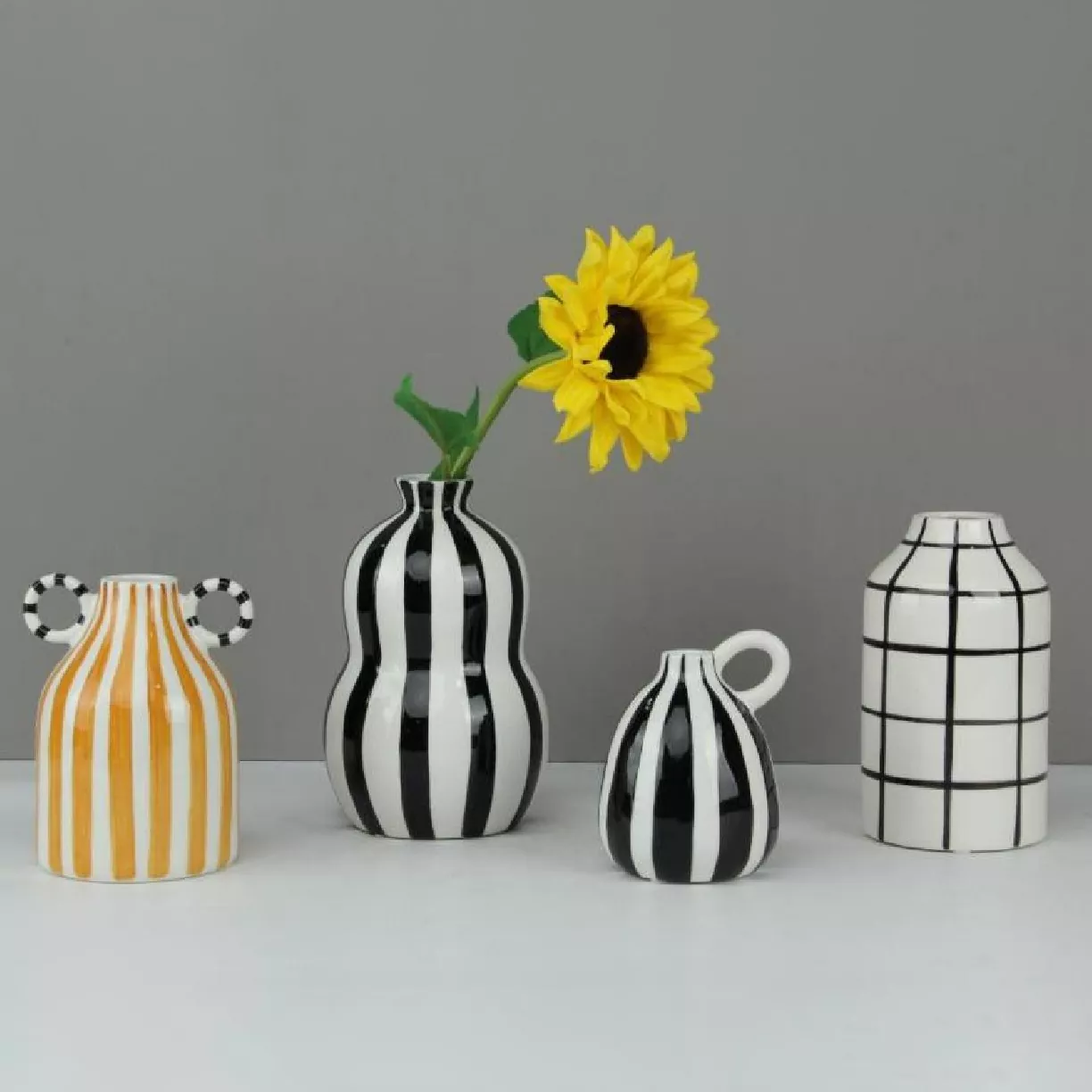
Plastic vases are popular for their lightweight, affordable, and diverse designs. Plastic can be molded into a variety of complex shapes and colors through processes like injection molding and blow molding, meeting the personalized needs of diverse consumers. Some plastic vases are also waterproof, moisture-resistant, and unbreakable, making them suitable for outdoor use or special occasions. While plastic vases may not offer the same quality as ceramic or glass vases, they can also create unique decorative effects through clever design and surface treatment. For example, some plastic vases with a ceramic-like texture, with special coatings and textures, resemble ceramic vases while being lighter and more durable. Other colorful and transparent plastic vases create a dreamy effect through color combinations and light refraction, adding a touch of liveliness and vitality to any space. Decorative vases come in a wide variety of styles, complementing diverse interior decor styles and satisfying diverse aesthetic needs. In the European classical style, vases often feature ornate shapes and exquisite decoration. Baroque-style vases, for example, are full of curves and dynamic forms, often incorporating abundant carvings, scrollwork, and gemstone inlays, embodying a luxurious and noble aura. Rococo-style vases, on the other hand, emphasize detail and exquisite decoration, featuring graceful S-shaped curves and delicate floral patterns, creating a romantic and elegant atmosphere. In the Chinese style, vase designs often embody profound cultural connotations, featuring simple and elegant shapes and flowing lines. Blue and white porcelain vases and famille rose porcelain vases are typical examples, featuring traditional landscapes, flowers and birds, and figures, reflecting the charm and aesthetic taste of traditional Chinese culture. Modern minimalist-style vases, on the other hand, emphasize clean lines and pure colors, with a focus on geometric shapes. They balance practicality and aesthetics, adding a touch of simplicity and style to modern homes. There are also pastoral-style vases imbued with natural charm, Mediterranean-style vases with a mysterious touch, and postmodern-style vases emphasizing individuality and creativity. Each style of vase has its own unique charm, adding the finishing touch to any space.


The Value of Ceramic Vases and Decorative Vases in Modern Life


In modern life, ceramic vases and decorative vases play an important role. They not only provide decorative value but also bring emotional satisfaction and spiritual enjoyment to people's lives.


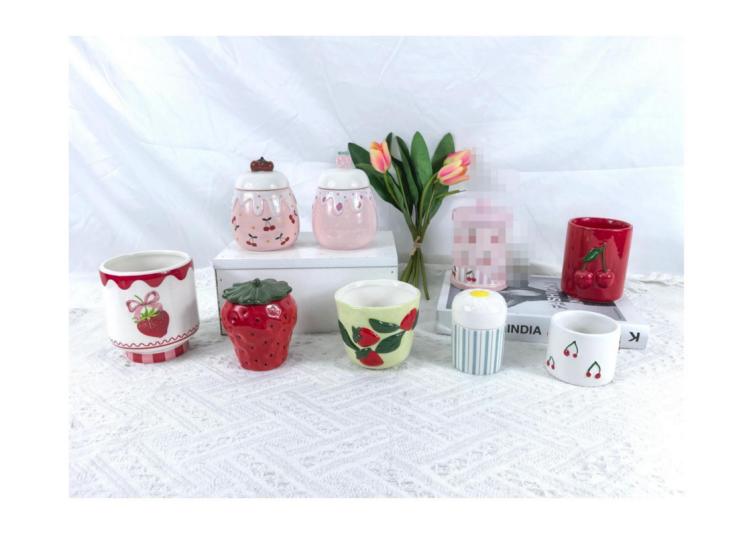
From a decorative perspective, ceramic vases and decorative vases are indispensable elements in home decor. They can be placed on living room coffee tables, bedroom nightstands, dining tables, study bookshelves, and even in entryways and hallways, becoming a visual focal point. A uniquely shaped and vibrantly colored ceramic vase can serve as a standalone work of art even without flowers, adding an artistic touch to any home. When decorated with fresh flowers or plants, the vase and the flowers complement each other, creating a variety of different atmospheres. For example, a simple white ceramic vase filled with a bouquet of delicate lilies in the living room can bring a fresh, elegant atmosphere, creating a relaxing and comfortable atmosphere. In the dining room, a beautifully shaped glass vase filled with a few vibrant roses can elevate the dining atmosphere, adding a touch of romance and warmth to gatherings with family and friends. Decorative vases can also be changed and matched according to different seasons and holidays, bringing freshness and variety to the home. For example, in spring, a brightly colored plastic vase filled with peach or cherry blossoms can create a vibrant spring atmosphere. At Christmas, a metal vase with Christmas motifs, pine branches and red berries, can add a festive touch.


Beyond home decor, ceramic and decorative vases are also widely used in commercial and public spaces. In commercial venues like hotels, restaurants, and cafes, carefully selected vases can enhance the space's class and elegance, creating a comfortable and enjoyable dining environment for customers. For example, a European-style hotel lobby could display several Baroque-style ceramic vases, complementing the hotel's decor and showcasing its luxury and elegance. Similarly, a café with an artistic flair could feature several uniquely shaped wooden vases filled with dried flowers or plants, adding a warm and inviting atmosphere and attracting more customers. In public spaces such as museums, exhibition halls, and libraries, vases can also serve as decorative elements, adding an artistic ambiance. For example, in a museum's exhibition hall, displaying ceramic vases of historical and cultural significance not only serves as exhibits but also blends in with the surroundings, creating a rich cultural atmosphere. In a library's lounge area, a few simple glass vases decorated with elegant flowers can create a comfortable and relaxing reading environment.


Ceramic vases and decorative vases also have considerable collectible value. Ancient ceramic vases of great age, exquisite craftsmanship, and excellent preservation often fetch high prices at auction, making them highly sought-after items by collectors. These ancient ceramic vases not only possess artistic value but also carry historical and cultural information, serving as crucial material for studying ancient society, economy, and culture. Limited-edition ceramic vases and decorative vases created by renowned contemporary ceramic artists and designers also possess significant collectible potential due to their unique creativity and exquisite craftsmanship. Collecting these vases is not only a way to cherish works of art but also a commitment to the preservation and promotion of art and culture.


Ceramic vases and decorative vases can also bring emotional fulfillment and spiritual enjoyment. Personally selecting a vase and filling it with your favorite flowers is a way to enjoy life and express your emotions. Seeing the flowers blooming in the vase brings a sense of the beauty and vitality of life, and a sense of joy and relaxation. Giving one as a gift on special occasions such as birthdays, anniversaries, and holidays is a great way to express your inner peace and well-being.


Related News
X
We use cookies to offer you a better browsing experience, analyze site traffic and personalize content. By using this site, you agree to our use of cookies. Privacy Policy
Reject Accept