News

Why Home Decor Ceramics Make a Space Feel Finished?

2026-01-04 0 Leave me a message

A practical guide for homeowners, boutique retailers, and hospitality buyers who want ceramics that look premium, travel safely, and stay beautiful.

Abstract

Home Decor Ceramics are one of the fastest ways to add warmth, texture, and “intentional design” to a room—until the real-world problems show up: pieces arrive chipped, colors don’t match your photos, glazes stain, vases tip over, and suddenly your “easy upgrade” becomes a headache.

This article breaks the buying process into clear, low-regret decisions: what to check before you order, how to choose shapes and finishes that work in real homes, and how to keep ceramics looking clean and elevated over time. You’ll also find a practical checklist, a comparison table, and buyer-focused FAQs.

Quick promise: no vague “designer talk.” Every section is built around common pain points—breakage, mismatched colors, hard-to-clean surfaces, and “looks good online but not at home.”


Best use case: updating shelves, coffee tables, entry consoles, dining centers, hotel lobbies, cafés, and gift displays with durable, photogenic pieces.


Outline

  1. Identify the real risks: shipping damage, color mismatch, unstable shapes, high-maintenance finishes.
  2. Use a simple framework: purpose → placement → finish → stability → packing.
  3. Choose shapes and colors that cooperate with your lighting and furniture scale.
  4. Understand glazes like a practical adult: what wipes clean, what scratches, what stains.
  5. Close with a sourcing checklist and FAQs so you can buy once and style for years.

The pain points people don’t warn you about

If you’ve ever bought ceramics online and thought “how can a bowl be stressful,” welcome to the club. The problems usually fall into five buckets—and once you see them, you can avoid most of them.

  • Breakage in transit: ceramics are dense and brittle; the wrong packaging turns a vase into gravel.
  • Color surprises: warm indoor lighting can shift “clean white” into cream; matte blacks can look chalky.
  • Wobbly shapes: tall vases with narrow bases tip easily—especially on busy tables or in public spaces.
  • High-maintenance surfaces: some finishes love fingerprints, water spots, or coffee stains.
  • Styling regret: pieces are beautiful individually but don’t “belong” together on a shelf.

Reality check: the most “expensive-looking” ceramics aren’t always the priciest—they’re the ones that keep their finish, sit steady, and feel intentional in your layout.


A low-regret buying framework

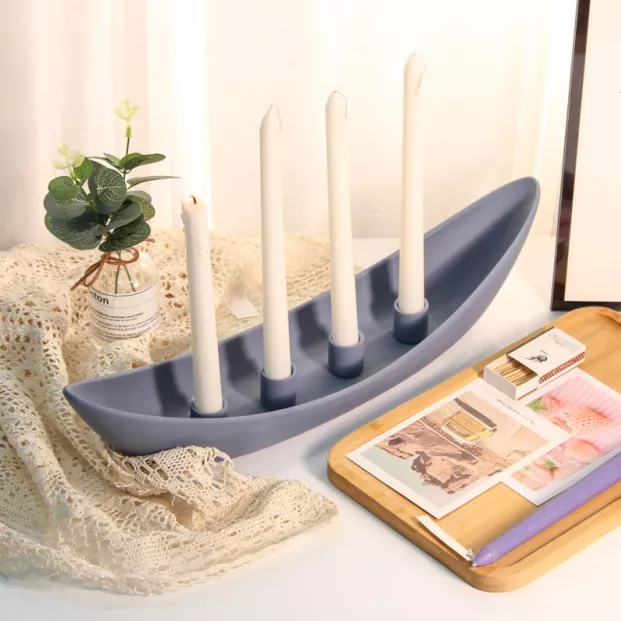
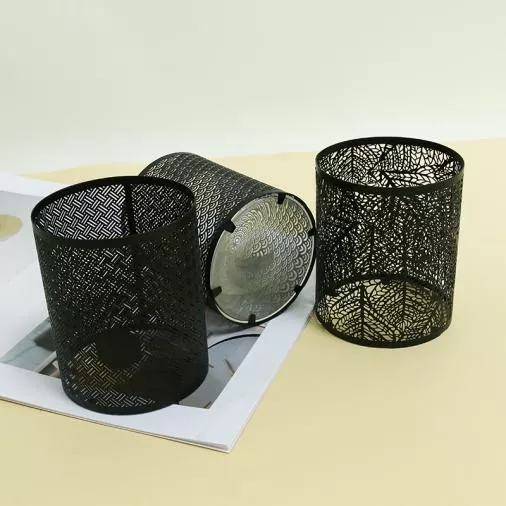
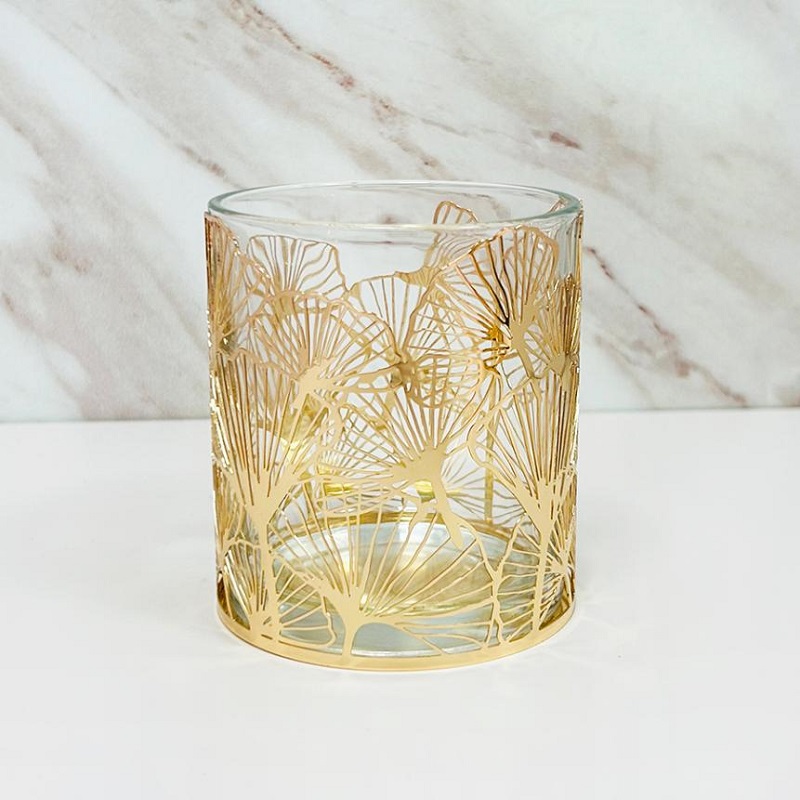
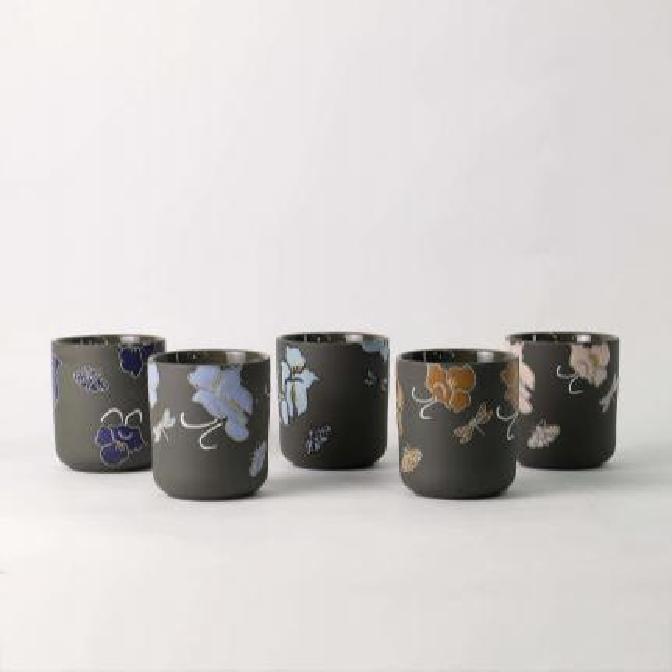
Home Decor Ceramics

Here’s a simple method that works whether you’re styling a studio apartment or sourcing for a boutique: decide in this order, and you’ll stop impulse-buying “pretty but impractical” pieces.

  1. Purpose: Is it functional (fruit bowl, mug, plate) or decorative (vase, sculpture, planter, candle holder)?
  2. Placement: Shelf, coffee table, entry console, dining centerpiece, bathroom, or storefront display?
  3. Finish: Matte, glossy, reactive glaze, speckled, textured, carved, or hand-painted?
  4. Stability: Base width, weight distribution, and whether it needs anti-slip pads.
  5. Packing expectations: Ask about inner boxes, foam, edge protectors, and drop-test mindset.

Home tip: If you’re unsure, pick a “core set” of neutral ceramics first (1–2 finishes, 2–3 shapes), then add one statement piece.

Business tip: Standardize your bestsellers by size and finish so reorders look consistent across seasons and suppliers.


How to match ceramics to your space

The most common styling complaint is: “It looked perfect on the product page, but it looks random in my room.” That’s usually a mismatch in tone (warm vs cool), scale (too small), or texture (too similar).

  • Match undertones: If your room leans warm (oak, brass, beige), choose warm whites, sand, terracotta, olive. If it’s cool (gray, chrome, black), choose crisp whites, charcoal, deep blue.
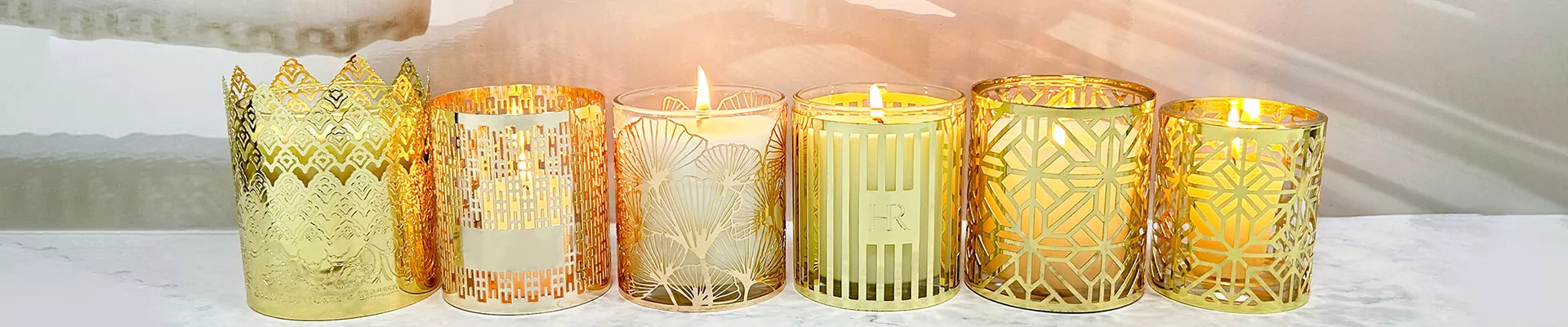
  • Use texture as contrast: Pair smooth ceramics with linen, wood grain, rattan, or stone. Texture creates “quiet luxury” without shouting.
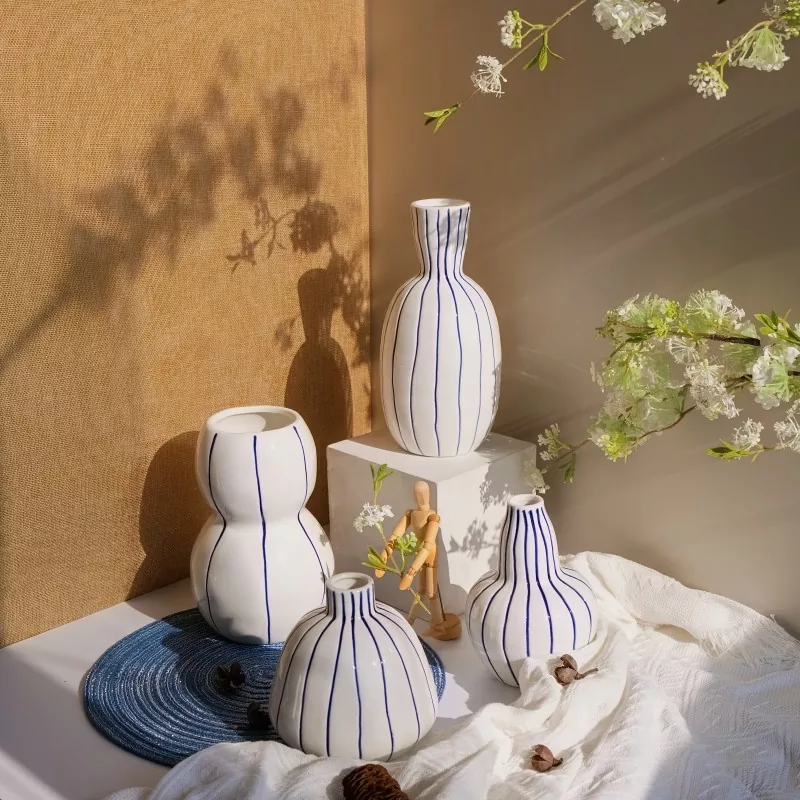
  • Think in sets of three: On shelves, group ceramics in three heights. Your eye reads it as intentional rather than cluttered.

Fast fix: If your ceramics feel scattered, repeat one element at least three times—same color family, same finish, or same silhouette.


Finishes, glazes, and what they mean in daily life

“Glaze” sounds like art-school vocabulary, but for buyers it’s simple: the surface determines how it ages. Choose finishes based on how you actually live (or how your guests will treat your décor).

Finish type What it’s great for Watch-outs Buyer-friendly tip
Glossy glaze Easy wipe-down, vibrant colors, bathrooms & kitchens Shows scratches more than matte in harsh light Choose rounded edges; sharp corners chip easier
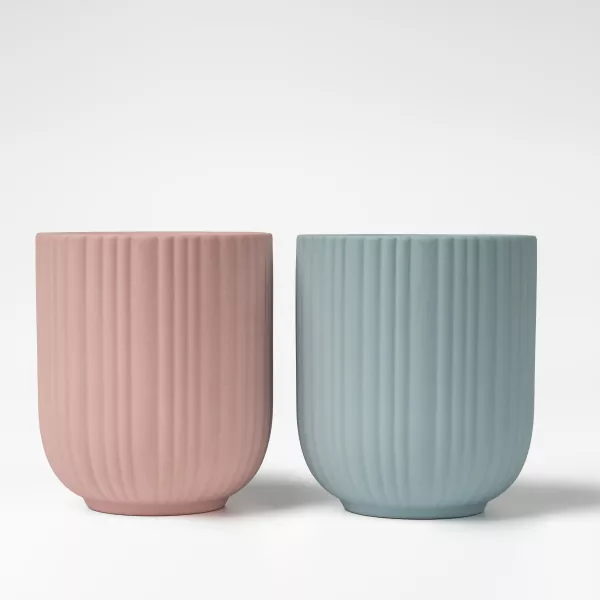
Matte / satin Soft, modern look; cozy neutrals; gallery vibes Can hold fingerprints or water spots Use on shelves, not high-touch dining surfaces
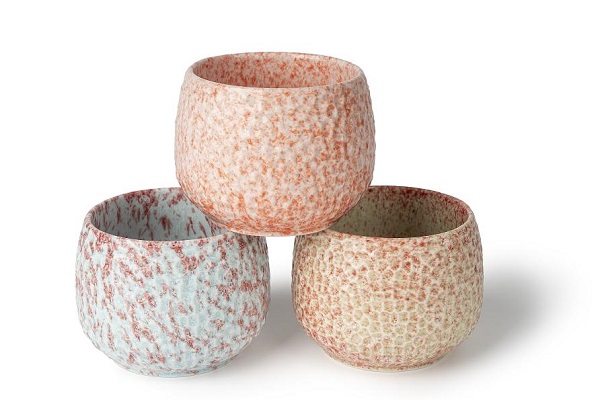
Reactive glaze Unique, artisan feel; each piece slightly different Color variation is normal (good or bad, depending on your needs) Request photos of batch ranges for bulk orders
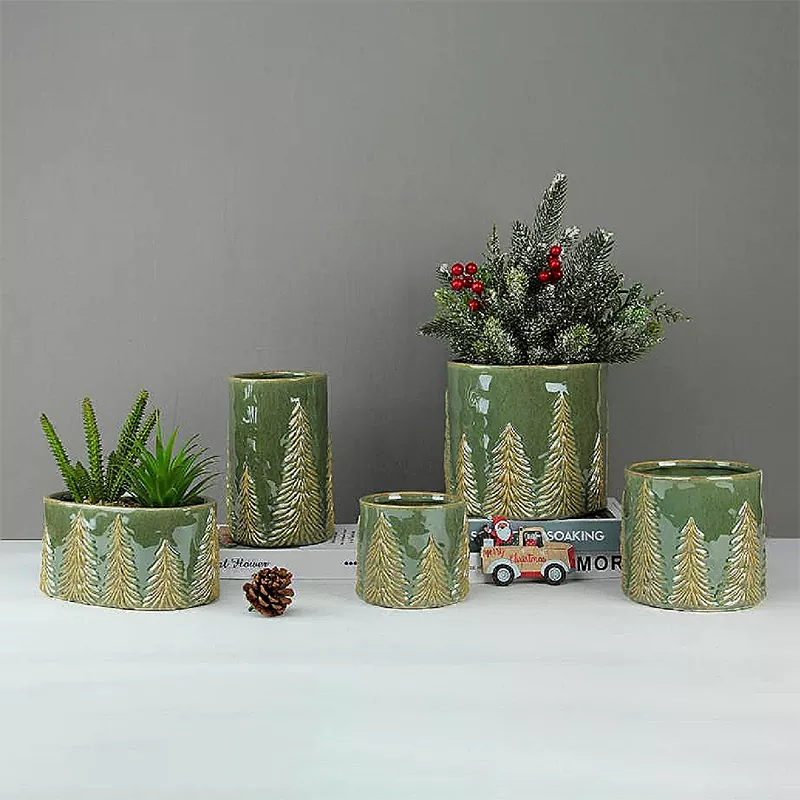
Textured / carved High depth and shadow; statement décor Dust collects in grooves Keep a soft brush nearby; it’s a 30-second ritual
Unglazed / raw look Natural, earthy, minimalist styling Can absorb oils or stains if not sealed properly Prefer for dry décor pieces, not coffee-table coasters

If you want ceramics that stay “photo-ready,” prioritize finishes that clean easily and don’t punish you for touching them. That’s why many buyers build a core collection around glossy neutrals or satin stone tones, then add texture for drama.


Sizing and placement that won’t look awkward

Size is the silent deal-breaker. Too small looks like clutter; too large overwhelms. Use these practical rules to get proportions right without measuring your whole house like a crime scene.

  • Coffee table: one anchor piece (bowl or tray) + one medium vase + one small accent. Keep the tallest item below eye-line when seated.
  • Dining centerpiece: low and wide wins. Tall arrangements block conversation; choose a shallow bowl, low vase, or clustered mini-vessels.
  • Entry console: go taller here. A statement vase or sculptural piece balances the vertical wall space above.
  • Shelves: alternate “solid” shapes (vases, jars) with “open” shapes (handles, cutouts) so the shelf can breathe.
  • Bathrooms: glossy or easy-clean finishes, plus closed forms that don’t trap dust and humidity.

Stability hack: For tall vases or narrow bases, add discreet anti-slip pads underneath. In hospitality spaces, it’s the difference between “lasting décor” and weekly replacements.


Care, cleaning, and stain prevention

Ceramics are durable, but “durable” doesn’t mean “care-free.” The goal is simple: prevent stains, keep glazes bright, and avoid micro-chips that slowly make pieces look tired.

Daily care that actually works

  • Use a soft cloth for dust; avoid abrasive sponges on decorated surfaces.
  • Wipe water rings quickly on matte finishes to reduce spotting.
  • For flower vases, rinse and dry the interior to prevent mineral buildup.
  • Use felt pads where ceramics touch wood shelves to prevent scratches and sliding.

Stain rescue guide

  • Coffee/tea: mild baking soda paste, then rinse.
  • Grease: warm water + gentle dish soap; don’t “sand” the surface.
  • Hard water: dilute vinegar wipe (avoid on delicate metallic finishes).
  • Dusty texture: soft brush, then microfiber cloth.

If you’re buying for a public-facing environment (cafés, hotels, showrooms), prioritize surfaces that look good after repeated wipes. In other words: choose ceramics that forgive real life.


Sourcing tips for boutiques and hospitality

If you’re sourcing Home Decor Ceramics for resale or a project, your pain points are a little different: consistency, reorder reliability, and packaging become just as important as design.

  • Ask for finish tolerance: acceptable variation ranges should be clear—especially for reactive glazes.
  • Standardize sizes: pick a few “hero dimensions” so your displays look cohesive and replenishment is easy.
  • Request packing details: inner box + protective foam + corner guards are the difference between profit and returns.
  • Plan for merchandising: choose shapes that stack, nest, or display well in limited shelf space.
  • Confirm lead times: avoid seasonal chaos by confirming production and replenishment expectations early.

Where BYF Arts&Crafts Co., Ltd. fits: If you want a curated direction rather than random one-offs, working with a maker like BYF Arts&Crafts Co., Ltd. can help you build a coherent décor story—mixing forms, finishes, and styles so your collection looks intentional from the first order.


Buyer checklist and comparison table

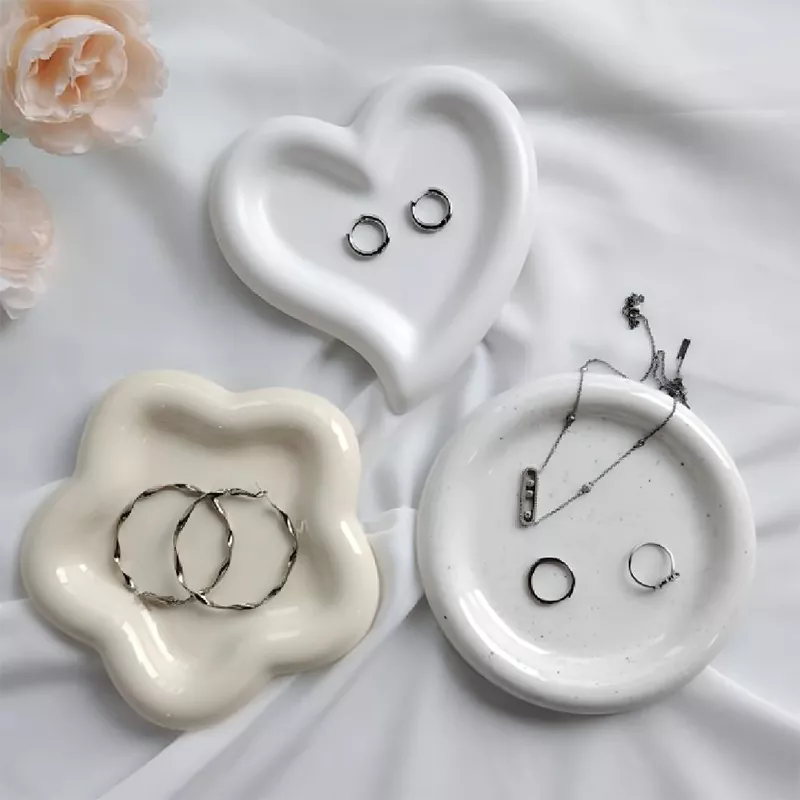
Home Decor Ceramics

Use this checklist before you place an order—especially online. It’s designed to prevent the top frustrations: mismatched colors, fragile packaging, and “pretty but impractical.”

What to verify Why it matters What to do if unsure
Finish and cleanability Determines fingerprints, stains, and long-term appearance Choose satin/glossy for high-touch zones; reserve textured for low-touch displays
Color under different lighting Warm/cool shifts can ruin a “perfect match” Ask for daylight + indoor photos; stick to flexible neutrals if you can’t verify
Base width and stability Prevents tipping, especially in busy households Prefer wider bases for tall pieces; add anti-slip pads for safety
Edge and rim thickness Thin edges chip more easily Pick rounded profiles for longevity, especially in hospitality projects
Packaging method Reduces breakage and return costs Confirm inner boxes and protective materials; avoid “single thin carton” packing

Mini rule: If you can’t confidently answer “Will this be easy to live with?” it’s probably not the right piece—no matter how pretty the photo is.


FAQ

What’s the easiest ceramic piece to start with if I’m overwhelmed?

Start with one medium vase or one wide bowl in a neutral finish. These two shapes work in almost any room and give you a base to build around. Once that anchor looks right, add smaller accents instead of buying five unrelated pieces at once.


How do I stop my shelf ceramics from looking cluttered?

Reduce the number of finishes. Pick one “main” surface (for example, satin white) and repeat it across the shelf. Then add exactly one contrasting texture (like a carved piece). Also, keep empty space—your ceramics need breathing room to look premium.


Are matte ceramics always hard to maintain?

Not always, but matte surfaces can show fingerprints and water marks more than glossy finishes. If you love matte, place it in lower-touch areas like shelves, sideboards, or entry consoles rather than kitchen counters.


What should hospitality buyers prioritize to reduce replacements?

Stability, cleanability, and packaging. A slightly heavier piece with a wider base usually outperforms delicate silhouettes in high-traffic environments. Choose finishes that look good after frequent wiping, and insist on protective packing to reduce transit damage.


How can I make mixed ceramics look “collected,” not random?

Repeat one element three times: a color family, a finish, or a shape. For example, three pieces that share a warm ivory tone will feel cohesive even if their silhouettes differ. Then introduce one statement piece as the “hero,” not five competing heroes.


Next step

If you want Home Decor Ceramics that arrive safely, style effortlessly, and keep their charm in real life, don’t guess your way through it. Tell us your space (home, boutique, or hospitality), preferred finishes, and target price range—then we’ll help you narrow options fast.

Ready to curate a cohesive collection with BYF Arts&Crafts Co., Ltd.? Contact us today and let’s turn your décor plans into pieces you’ll actually love living with.

Related News
Leave me a message
X
We use cookies to offer you a better browsing experience, analyze site traffic and personalize content. By using this site, you agree to our use of cookies. Privacy Policy
Reject Accept