News

Why Choose Gift Boxes with Secure Lids for Worry-Free Gifting?

2026-01-07 0 Leave me a message
If you’ve ever had a lid slide off mid-delivery, a ribbon snag during handling, or a premium unboxing moment ruined by dents and scuffs—this is for you.

Article Abstract

Gift Boxes with Secure Lids solve a deceptively expensive problem: it’s not just “a box,” it’s protection, presentation, and peace of mind in one. Buyers often struggle with lids that pop open, sizing that’s slightly off, boxes that crush in transit, or finishes that scuff and ruin the “luxury” feel. This guide breaks down the lid styles that actually stay put, how to choose the right structure and materials for your product, and what to test before you place a bulk order. You’ll also get a clear decision checklist, a comparison table, and practical tips to reduce damage, returns, and rework—while keeping the unboxing experience clean and premium.

Outline

  1. Identify where lids fail in real-world handling and shipping.
  2. Understand secure-lid mechanisms (friction-fit, magnetic, tied, snap, and engineered tolerances).
  3. Match structure and materials to product weight, fragility, and “unboxing” goals.
  4. Compare options with a table you can use in purchasing discussions.
  5. Use a clear specification checklist to prevent misquotes and rework.
  6. Run simple tests that catch quality issues early—before full production.
  7. Choose suppliers who can prove consistency, not just offer pretty samples.

What pain points do secure lids solve?

A “secure lid” isn’t about being fussy—it’s about avoiding avoidable losses. When a lid isn’t stable, everything downstream gets messy: re-packing, refunds, replacement shipments, brand damage, and (worst of all) customer hesitation to buy again.

Real-world problem: A lid that feels fine on your desk can fail after vibration, stacking pressure, temperature changes, or repeated handling in fulfillment.

  • Lids slipping off during courier handling, warehouse picking, or retail stocking
  • Crushed corners and dented edges from stacking and compression
  • Scuffed finishes that ruin premium presentation
  • Loose sizing that makes the product rattle, shift, or break
  • Slow packing because staff must re-align lids or add extra tape
  • Unboxing disappointment when the first impression looks cheap or damaged

The goal of Gift Boxes with Secure Lids is to keep the box closed when it should be closed, open cleanly when it’s time to reveal, and stay attractive from factory to front door.

Quick win checklist

If you answer “yes” to any of these, you need a more secure lid design.

  • Does your product ship individually by courier?
  • Is your item fragile (glass, cosmetics, ceramic, tech accessories)?
  • Does your brand rely on a premium unboxing moment?
  • Do you see dents/scuffs in customer photos or reviews?
  • Do packers add tape “just in case”?

What counts as a “secure lid”?

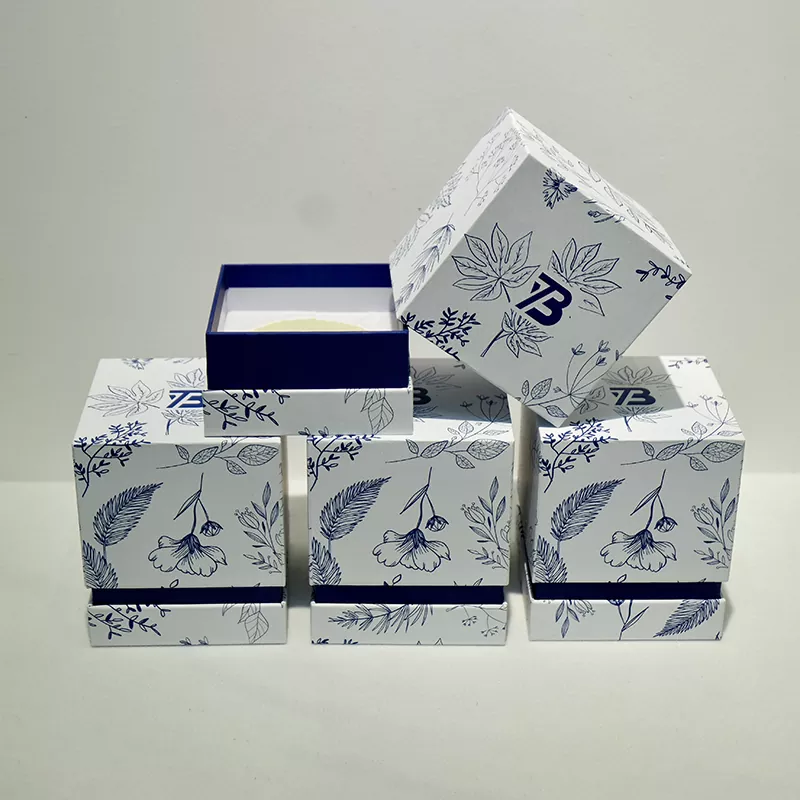
Gift Boxes with Secure Lids

“Secure” doesn’t always mean “hard to open.” The best designs balance stability with a smooth, confident lift. In practice, security usually comes from one or more of the following:

  • Friction and fit: engineered tolerance so the lid grips without wobble
  • Closure assistance: magnets, ribbon ties, snaps, or tucked flaps
  • Structure strength: rigid board thickness, corner reinforcement, wrap quality
  • Surface durability: coatings/lamination to reduce scuffs and fingerprints
  • Inner support: inserts or padding that prevent movement and reduce impact

Translation: A secure lid is a system—fit + closure + structure + inner support. If one part is weak, the whole experience suffers.

How do you choose the right box for your product?

Start with your product reality—not the prettiest mockup. The most reliable purchasing decisions come from three variables: weight, fragility, and shipping conditions.

1) Match the structure to the job

  • Lightweight items (cards, small accessories): friction-fit lids can be enough if tolerances are tight.
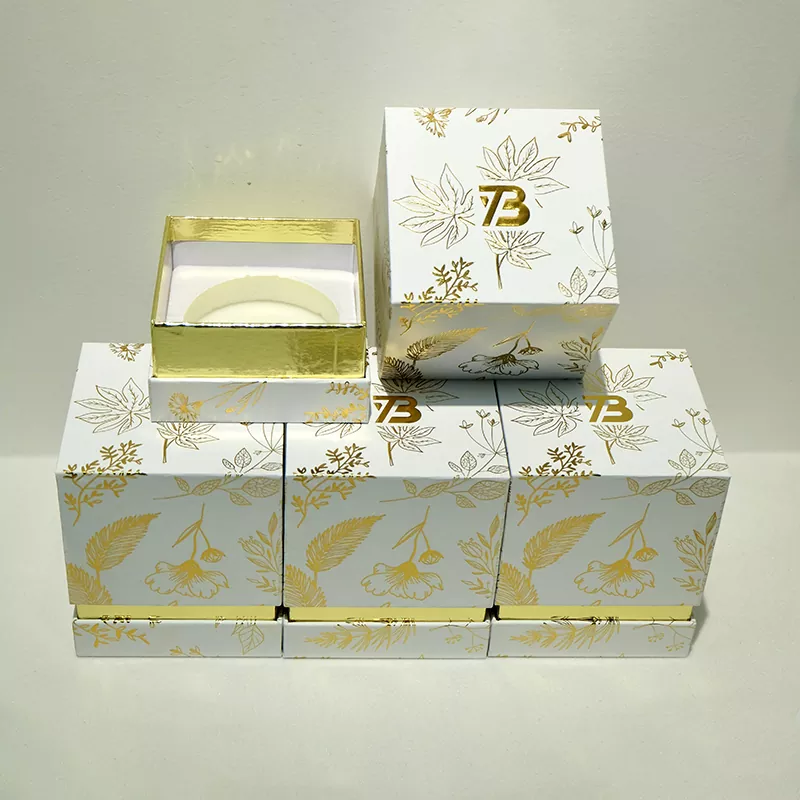
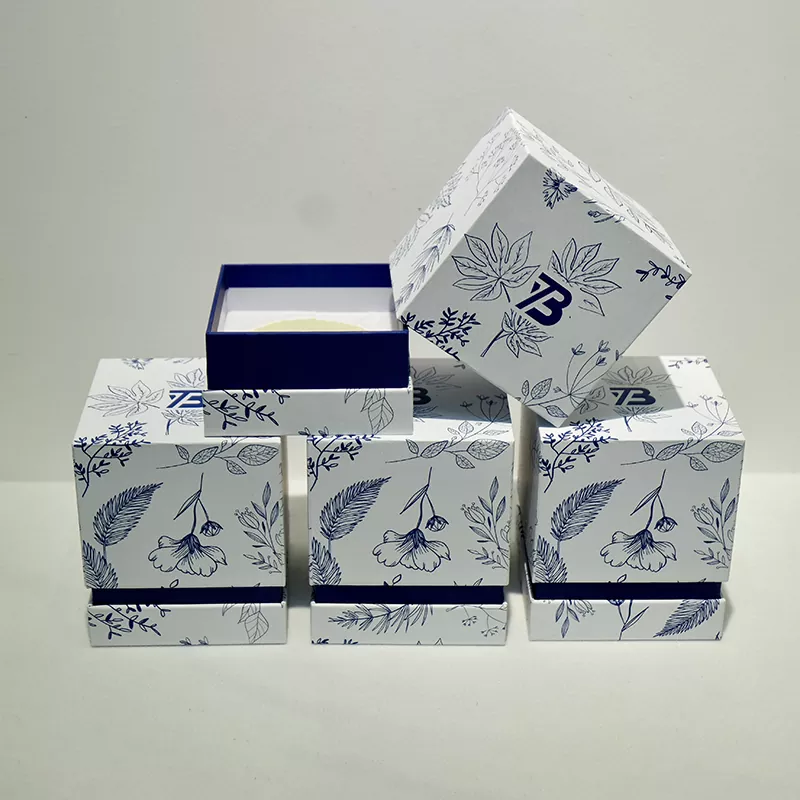
  • Medium weight (skincare sets, candles): rigid telescoping boxes or magnetic-assisted lids prevent shifting.
  • Heavy or fragile (glass, ceramics, premium electronics): choose rigid construction plus inserts and stronger closure support.

2) Choose security without killing the unboxing

  • If you want a “clean lift,” aim for precise fit + optional pull ribbon to avoid awkward tugging.
  • If tamper resistance matters, consider snaps, tucked flaps, or seal labels that look intentional.
  • If your customers re-use boxes (keepsake, subscription), prioritize durable surfaces and edges that stay crisp.

3) Protect the finish like it’s part of the product

Scuffs often come from box-on-box abrasion. Even a strong lid can look “cheap” if the surface marks easily. Ask for finishing options that resist fingerprints and friction, especially for dark colors.

Decision shortcut

  1. Will it ship by courier? If yes, increase structure strength.
  2. Is the item fragile? If yes, add inserts + reduce internal movement.
  3. Is the unboxing premium? If yes, optimize for smooth open + clean edges.
  4. Do you need tamper cues? If yes, include a closure method or seal strategy.

Comparison table of secure-lid options

Use this table to align your packaging choice with your real-world risk. (Because “looks great in photos” isn’t the same as “arrives intact.”)

Secure-Lid Option How It Stays Closed Best For Watch Outs
Telescoping (lift-off) lid with tight fit Friction + precise tolerance Premium gifting, retail shelves, stacked storage Too tight can feel hard to open; add pull ribbon if needed
Magnet-assisted lid Magnetic pull + alignment Luxury sets, corporate gifts, repeat-open keepsake boxes Magnet placement must be consistent; test after temperature changes
Ribbon-tie or banded closure Mechanical tie + friction Seasonal gifting, boutique presentation, customization Slower packing if not designed well; ribbon can snag in transit
Snap/tuck features Interlocking paperboard geometry Higher tamper resistance, shipping-heavy workflows Can crease if repeatedly opened; needs accurate die-cutting
Slipcase + inner box Outer sleeve holds inner box in place High-end unboxing, brand storytelling, protection More parts; ensure sleeve fit doesn’t scuff edges

Note: Many of the most reliable solutions combine a tight-fitting lid with an inner insert that prevents movement. That’s why Gift Boxes with Secure Lids often outperform “pretty but loose” alternatives in returns and customer satisfaction.

What should you specify when ordering?

Most packaging headaches come from vague specifications. If you want consistent bulk production, you need to define what “secure” means for your product and workflow. Here’s a buyer-friendly specification list you can copy into your inquiry:

  • Internal dimensions: length × width × height (and whether inserts are included)
  • Product weight: per unit and per boxed set
  • Closure expectation: friction-fit, magnet-assisted, tie, snap, sleeve, or combination
  • Opening experience: easy lift vs. more “locked” feel (and whether you want a pull ribbon)
  • Materials: rigid board thickness or paperboard grade, plus wrap paper type
  • Surface finish: matte/gloss lamination, soft-touch feel, anti-scuff preference
  • Decoration: foil, emboss/deboss, spot coating, printing coverage
  • Insert type: EVA foam, paper insert, molded pulp, or none
  • Shipping method: courier parcels, pallets, retail distribution, or mixed
  • Quality expectations: acceptable tolerance for lid fit and corner alignment

Pro tip: Ask for a sample that matches your real finish and structure, not a “similar” sample. The difference between smooth and scuffed can be one coating choice.

What tests prevent costly surprises?

You don’t need a laboratory to catch the most common failure points. You just need a small set of repeatable checks before you approve mass production:

  1. Lid retention check: close the box, gently shake it, and confirm the lid stays seated without shifting.
  2. Stacking pressure check: stack several boxes for 24 hours and inspect corners and lid fit afterward.
  3. Scuff check: rub two finished boxes together (light pressure) and inspect for abrasion marks.
  4. Drop simulation: test a packed sample with typical internal protection from a modest height onto a protected surface.
  5. Open/close cycle: open and close 20–30 times to see if edges fray, magnets misalign, or paper cracks.
  6. Temperature exposure: if you ship across climates, leave a sample in warmer/cooler conditions and re-check closure behavior.

These tests are especially important for Gift Boxes with Secure Lids because “secure” depends on consistent tolerances and durable surfaces—not just appearance.

Which industries benefit most?

Gift Boxes with Secure Lids

Secure-lid packaging shows its value anywhere customers judge quality before they touch the product. Here are common use cases:

  • Cosmetics and skincare: prevents shifting, supports premium gifting, reduces leakage-related mess when paired with inserts
  • Jewelry: keeps small items protected; secure lids reduce accidental opening during handling
  • Corporate gifts: strengthens brand presentation; consistent closure avoids “cheap” first impressions
  • Candles and home fragrance: reduces breakage risk and scuffing on retail displays
  • Seasonal and event gifting: helps maintain tidy unboxing even after travel and long-distance shipping

If your product is premium, your packaging must behave like premium under stress. That’s the quiet advantage of Gift Boxes with Secure Lids.

How should you evaluate a supplier?

A pretty sample is easy. Consistency at scale is the hard part. When you’re shortlisting suppliers, focus on evidence that they can repeat quality—not just promise it.

  • Sampling discipline: can they produce a sample that matches your final structure, finish, and lid behavior?
  • Communication clarity: do they confirm dimensions, tolerances, and closure expectations in writing?
  • Process control: do they discuss how they keep lid fit consistent across batches?
  • Material transparency: can they explain board thickness, wrap paper choices, and finish durability in plain language?
  • Problem-solving: when you raise a risk (scuffing, looseness, dents), do they propose specific fixes?

If you’re looking for a partner experienced in gift packaging, BYF Arts&Crafts Co., Ltd. can be part of your shortlist—especially if your priority is building a sturdy, attractive unboxing that survives real shipping and handling. The smartest approach is to share your product details and ask for a sample plan that reflects your actual delivery conditions.

Frequently Asked Questions

Q1: Do secure lids make boxes harder to open?

A: Not if designed correctly. A secure lid should feel confident, not frustrating. If you want a tighter fit, add a pull ribbon or an opening notch so customers can lift smoothly without damaging edges.

Q2: What’s the biggest reason lids pop open during shipping?

A: Usually a combination of loose tolerance and vibration. If the lid doesn’t grip evenly—or the box flexes under load—movement gradually walks the lid off. Stronger structure and better fit solve most cases.

Q3: How do I reduce scuffs on dark or matte finishes?

A: Choose more abrasion-resistant finishes, request protective packing methods between units, and test box-on-box rubbing with real samples. Even small changes in coating can noticeably reduce scuff marks.

Q4: Are magnetic lids safe for shipping?

A: They can be, as long as magnet strength and placement are consistent and the structure is rigid enough to stay aligned. Always test a packed sample through stacking and vibration-style handling.

Q5: Do I need inserts if I already have a secure lid?

A: If the product can move inside the box, inserts are strongly recommended—especially for fragile items. A secure lid keeps the box closed; an insert keeps the contents safe and presented cleanly.

Next steps

Choosing Gift Boxes with Secure Lids is less about “adding cost” and more about removing hidden losses: returns, rework, damaged brand perception, and slow packing. When you specify the right closure method, structure, and finish—and you test samples like your customers’ deliveries—you get packaging that performs as well as it looks.

If you want a faster path to the right box, share your product size, weight, shipping method, and your ideal unboxing style with BYF Arts&Crafts Co., Ltd.. We’ll help you narrow down a secure-lid structure and sample plan that fits your workflow—then refine details like inserts and finishes to reduce damage and improve presentation. Ready to upgrade your packaging? contact us and let’s build a box that arrives looking as good as it did when it left the factory.

Related News
Leave me a message
X
We use cookies to offer you a better browsing experience, analyze site traffic and personalize content. By using this site, you agree to our use of cookies. Privacy Policy
Reject Accept